Jewelry Designed to Be Lived In
On our yearly trips to India, I would watch my grandmother get dressed in the morning. Her sari always perfectly matched. Her hair pulled back into a soft bun. Diamond earrings catching the first light of the day. What struck me wasn’t that she wore diamonds — it was how she wore them. There was nothing precious or performative about it. The jewelry never felt like it was wearing her. It felt like part of her.
That ease stayed with me.
In Los Angeles, where I grew up, fine jewelry — especially diamonds — was saved for special occasions. In contrast, my grandmother moved through her day adorned, without thinking twice. Her elegance wasn’t styled; it was lived. It came from generations of women for whom beauty wasn’t an event, but a way of being.
In India, jewelry carries meaning far beyond ornament. It holds identity, devotion, protection, and belonging. Every region speaks its own language of craft — from the kundan-meenakari of Rajasthan, which inspired my Heritage collection, to polki shaped by Mughal refinement, to the sculptural goldwork of the South. These traditions are living. They’re passed hand to hand, keeping memory and lineage alive.
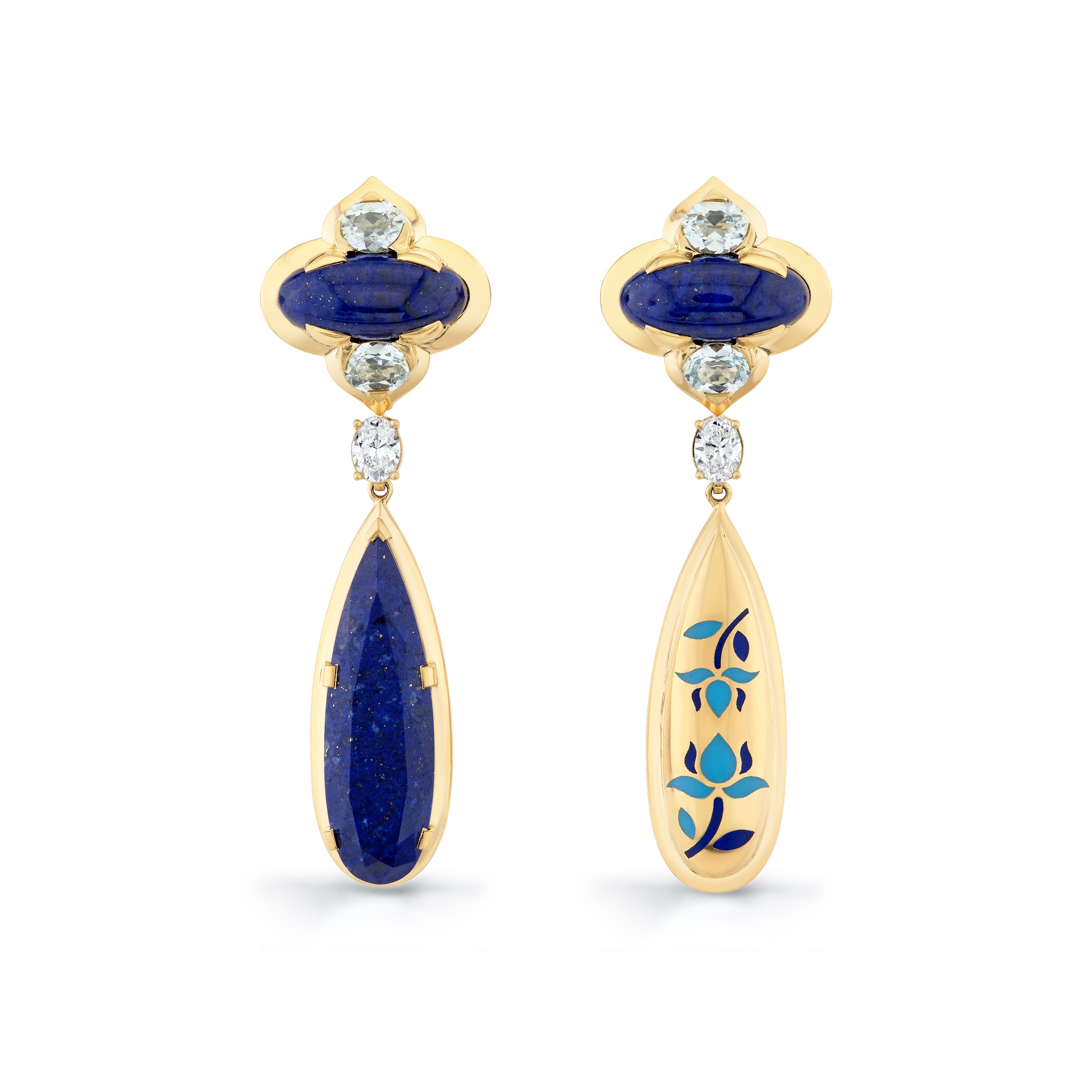
Today, I sit here in athleisure, reflecting on how much fashion has shifted toward casualness. Wearing diamond earrings to run errands can feel out of place — though perhaps less so at Erewhon. I don’t resist this ease — I’m very much part of it — but it often brings me back to my grandmother and her quiet elegance. I find myself wondering how to carry beauty through modern life with that same natural grace.
Watching her taught me something simple: everyday life is worthy of beauty. That’s why it never felt excessive. Jewelry wasn’t set aside for special moments — it lived alongside ordinary ones.